





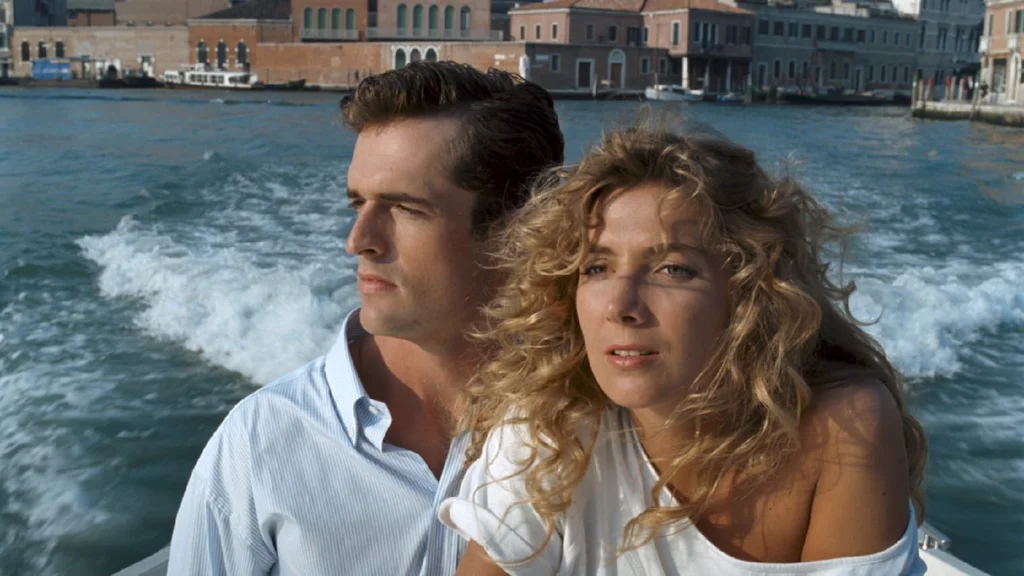
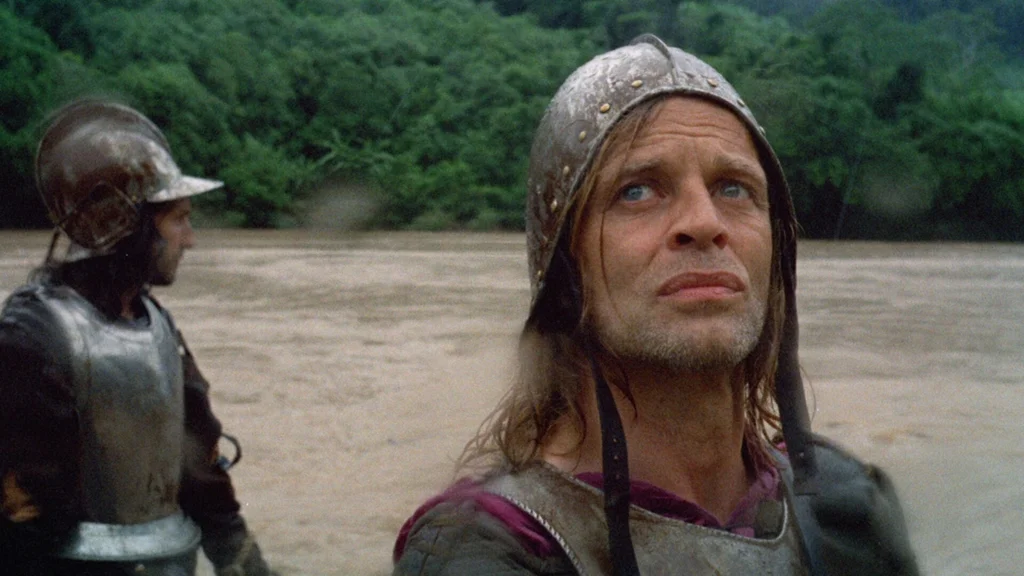

Regional Film Artists:
STEPHEN WARDELL
Kinship Formation Devices
June 25 (Thursday) 7pm
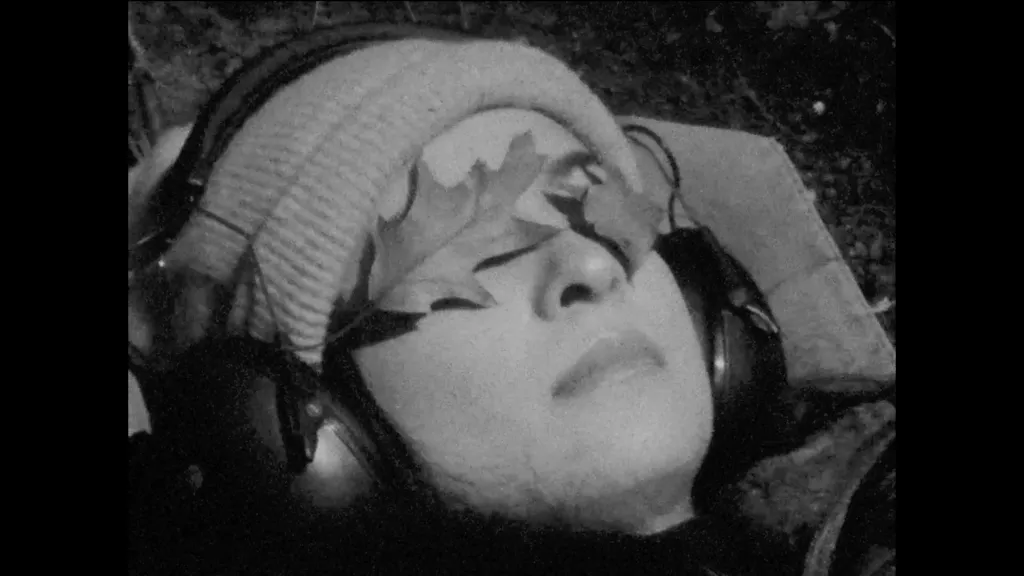
Stephen Wardell (Haydenville, MA) is a filmmaker and teaching artist who makes experimental narratives, documentary portraits, and handmade films. His films are queer, anti-capitalist, kinship formation devices. His documentary work chronicles family histories through the construction of collaborative utopian fantasies, and his handmade 16mm films use material interventions essayistically to express personal experiences of systems of power. From the Midwest, currently he lives in Massachusetts where he works as a visiting assistant professor at Amherst College.
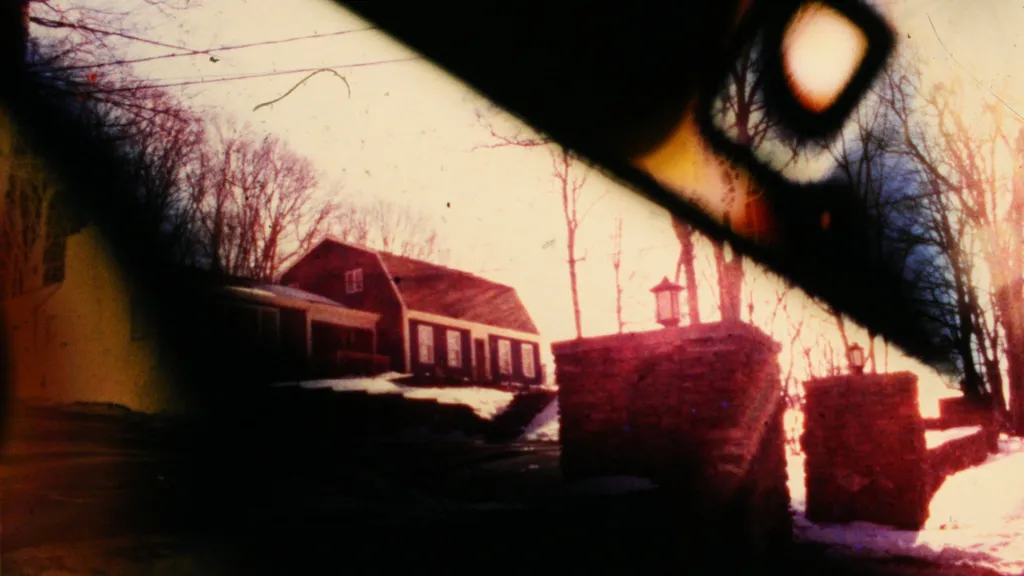
Regional Film Artists:
JOSH WEISSBACH
The Addresses and Other Destinations
July 9 (Thursday) 7pm
Josh Weissbach (East Haddam, CT) is an experimental filmmaker. His cinematic practice focuses on the relationship between the intimate and the uncanny within domestic spaces. Central to this process is an investigation of the visual agency of the (un)built form and the manner in which it implicates a history of familial trauma. His practice also considers natural spaces that are defined by the vitality of matter and its transfer of force.
All films will be projected on 16mm.
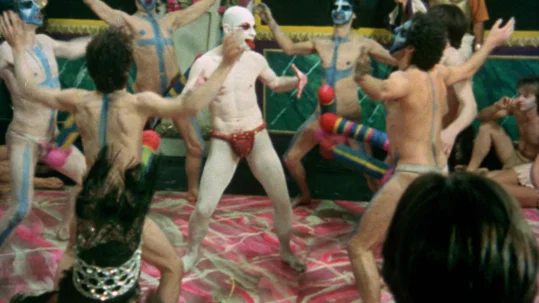
Sebastiane
In Latin with English sub-titles
Derek Jarman 1976 | July 15 and 18
Derek Jarman’s first feature, entirely in Latin, reimagines the martyrdom of Saint Sebastian as a study in desire and discipline under Roman military authority. Unfazed by narrative or heteronormative convention, Jarman’s debut was a watershed moment in British cinema.
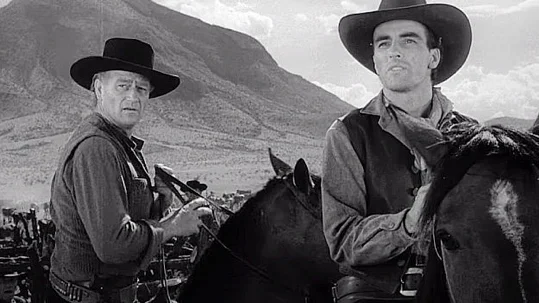
Red River
Howard Hawks 1948 | July 22 and 25
Howard Hawks sends John Wayne and Montgomery Clift on a cattle drive from Texas to Kansas and discovers that American masculinity contains at least two irreconcilable codes. Wayne commands through volume and threat. Clift resists through stillness. The herd moves north regardless in this genre masterpiece.
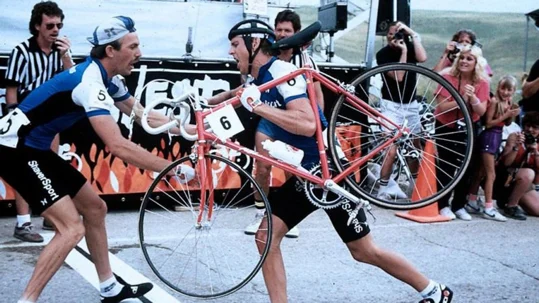
American Flyers
John Badham 1985 | July 29 and August 1
It’s no Breaking Away, but John Badham’s 1983 cycling film has aged into a fascinating cultural artifact. Might be a family drama, a buddy comedy, a road movie, or a McDonald’s commercial. What it definitely is is an immaculate scope print from the director’s personal collection starring a ridiculously handsome Kevin Costner.
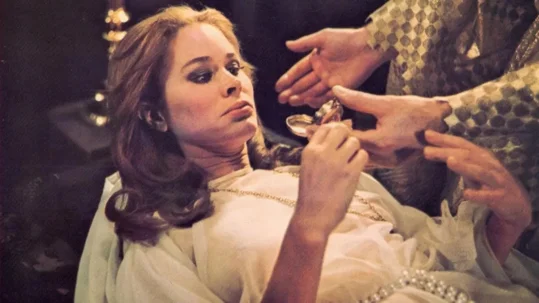
The Pyx
Harvey Hart 1973 | Thursday July 30
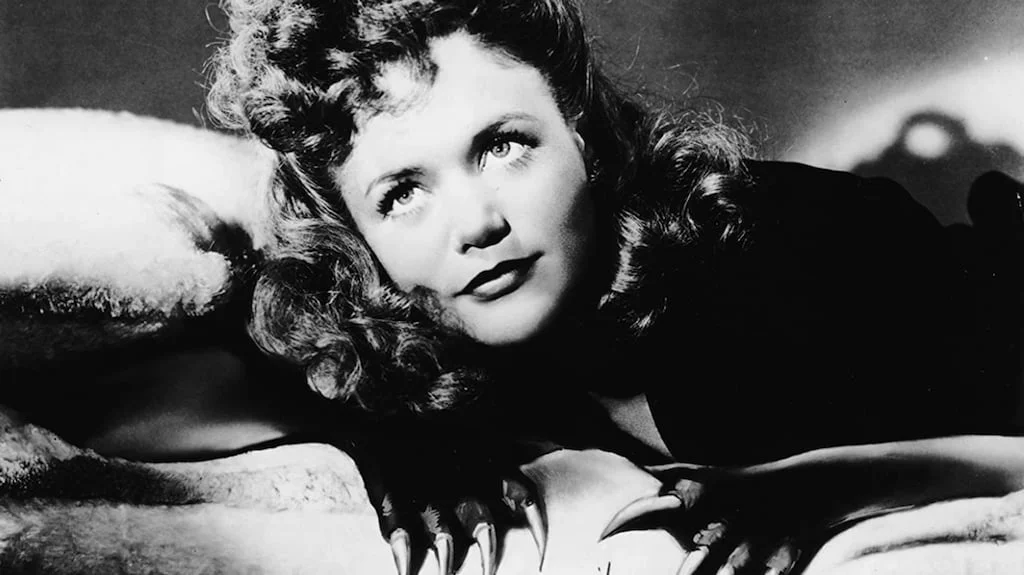
Visiting from Montreal is the founder and artistic director of Cinéclub Film Society. Accompanying him on his trip to Portland is an uncut 16mm scope print of a film he will introduce from a Montreal perspective. THE PYX (1973) starring Christopher Plummer and Karen Black tells the story of a Montreal police detective unraveling the mystery behind the death of a heroin-addicted prostitute who joins a satanic cult then dies under bizarre circumstances after falling from a building. Made during the height of tax shelter-funded ‘Canuxploitation’ cinema, this crime investigation procedural contains enough horror elements to make it ideal for summer viewing. Three songs beautifully sung by Karen Black for this film make it worth the price of admission alone!
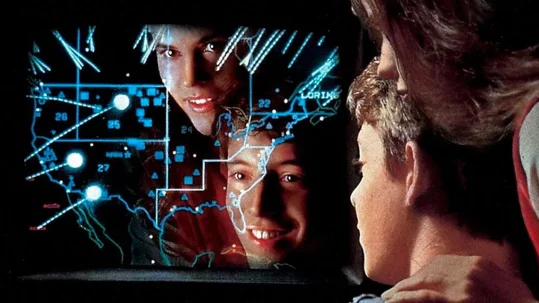
WarGames
John Badham 1983 | August 5 and 8
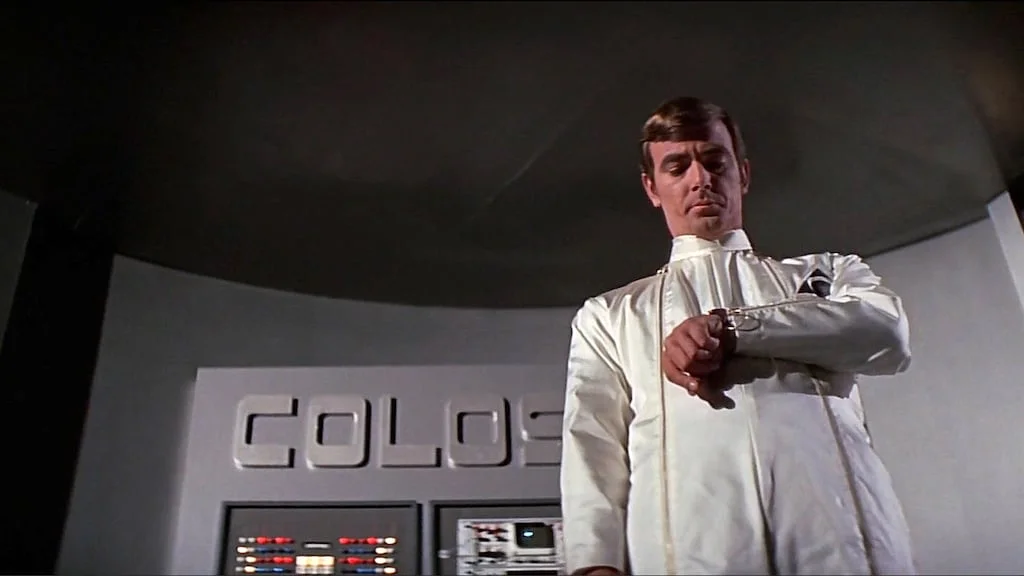
Another pristine print from John Badham’s collection. Matthew Broderick in boy-genius mode hacks his way into an absurd can of worms that famously scared the hell out Ronald Reagan and inspired him to introduce the first Presidential directive on computer security. The fun side of Fail-Safe and certainly one of the most influential films of the 1980s.
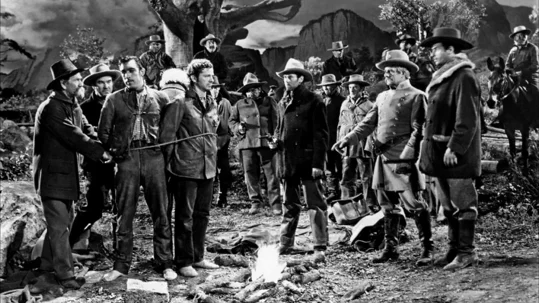
The Ox-Bow Incident
William Wellman 1943 | August 12 and 15
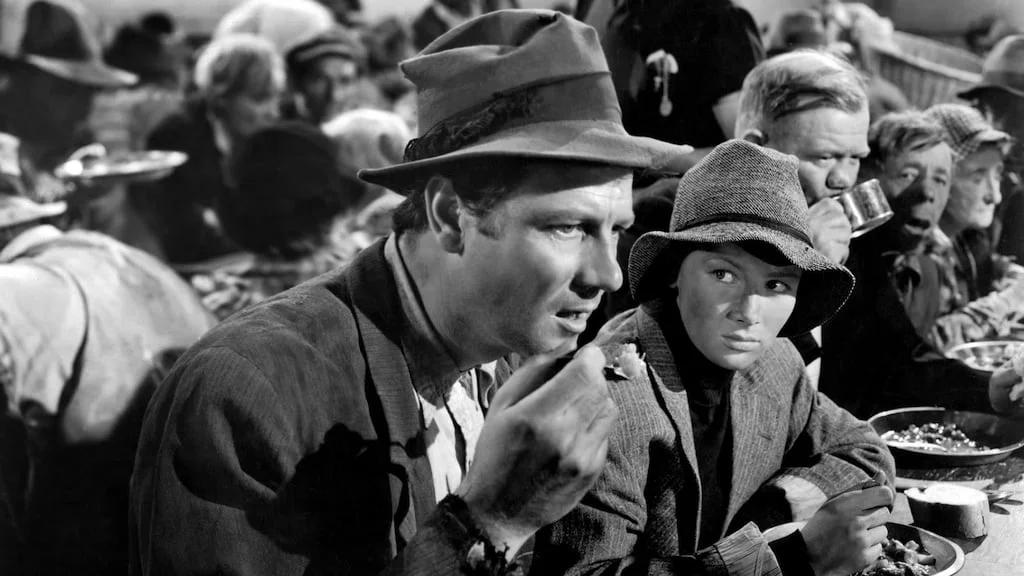
Wellman’s taut anti-Western packs more moral devastation into 75 minutes than most films manage in twice the runtime. Fonda, Dana Andrews, and Anthony Quinn anchor a story about a posse riding into the Nevada mountains to hang three men for a murder that may not have happened. Released in the midst of WWII, the parallels to wartime mob psychology were unmistakable then and have lost none of their edge since.
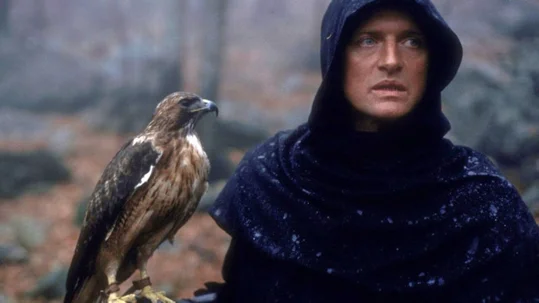
Ladyhawke
Richard Donner 1985 | August 19 and 22
A medieval romance in which two lovers can never occupy the same form at the same time — one a hawk by day, the other a wolf by night. Rutger Hauer and Michelle Pfeiffer smolder in every scene. Matthew Broderick is also there, inexplicably doing bits for the camera. Shot by the legendary Vitorrio Storarro, this flawless 16mm scope print is the best I’ve ever seen this film look.
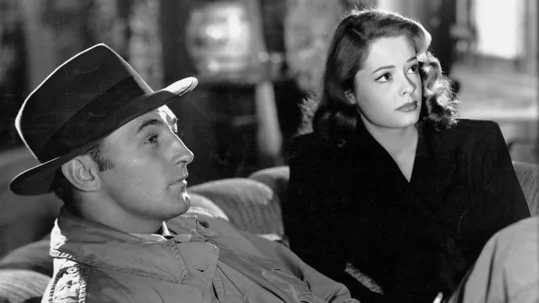
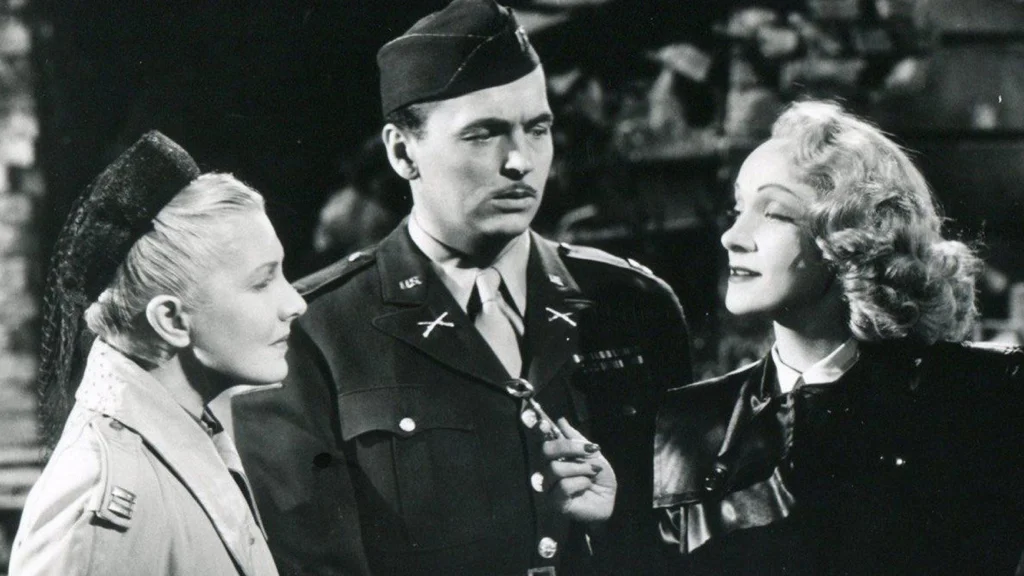
Out of the Past
Jacques Tourneur 1947 | August 26 and 29
Five years after inventing a new breed of supernatural horror with Cat People, Jacques Tourneur would give us one of the best films noir of all time. Mitchum, Douglas and Greer broke the mold with this one. It’s no wonder David Lynch loved this movie because smoking cigarettes never looked so good.
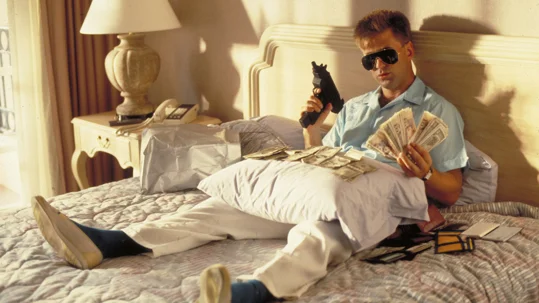
Miami Blues
George Armitage 1990 | September 2 and 5
In his first leading role an unhinged Alec Baldwin brings the juice to what’s been called by some “the American Breathless” (never mind the actual remake). Jennifer Jason Leigh, Fred Ward, and writer/director George Armitage somehow keep this thing on the rails when it desperately wants to leap off.
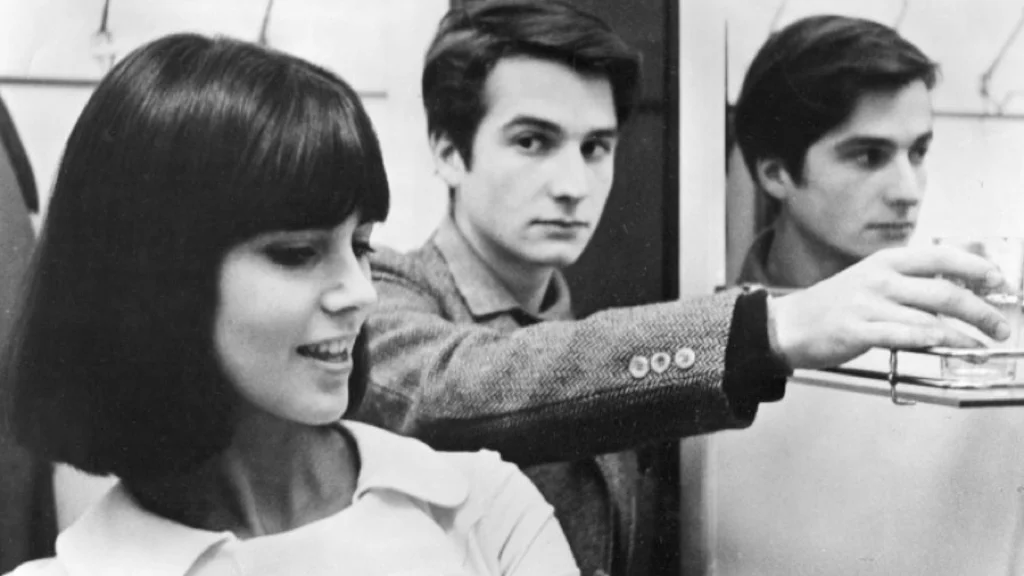
Masculin Féminin (Masculine Feminine)
Jean-Luc Godard 1966 | September 8
In French with English subtitles
Censors banned it for anyone under eighteen — “the very audience it was intended for,” Godard complained. He wasn’t wrong: Masculin Féminin is fifteen precise facts about Parisian kids who talk constantly and hear almost nothing. Léaud’s Paul canvasses opinions like a pollster; Chantal Goya, an actual yé-yé star, plays a pop singer being interviewed into existence. Godard reportedly fed his actors questions through earpieces, so the confusion on screen is real. Gunshots go off outside the frame and nobody turns around. The children of Marx and Coca-Cola, filmed while both parents were still alive.
This film is presented as part of a collaboration between Kinonik and Alliance Française du Maine.
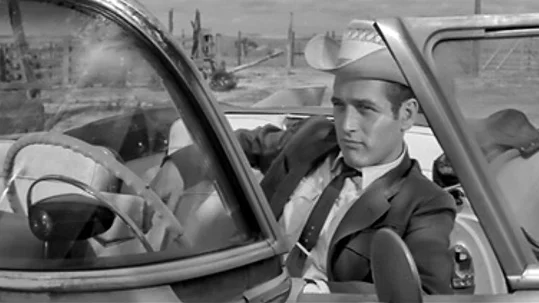
Hud
Martin Ritt 1963 | September 9 and 12
Martin Ritt was firing on all cylinders when directing this elegantly managed four-hander. In one of his best turns as an antihero, Paul Newman plays a Texas rancher’s amoral, alcoholic son hellbent on winning capitalism. Texas scrubland has never looked so magnificent as it does here photographed by James Wong Howe.
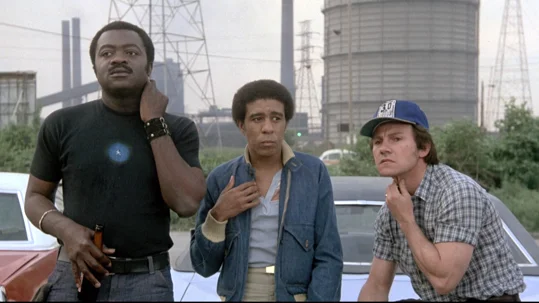
Blue Collar
Paul Schrader 1978 | September 16 and 19
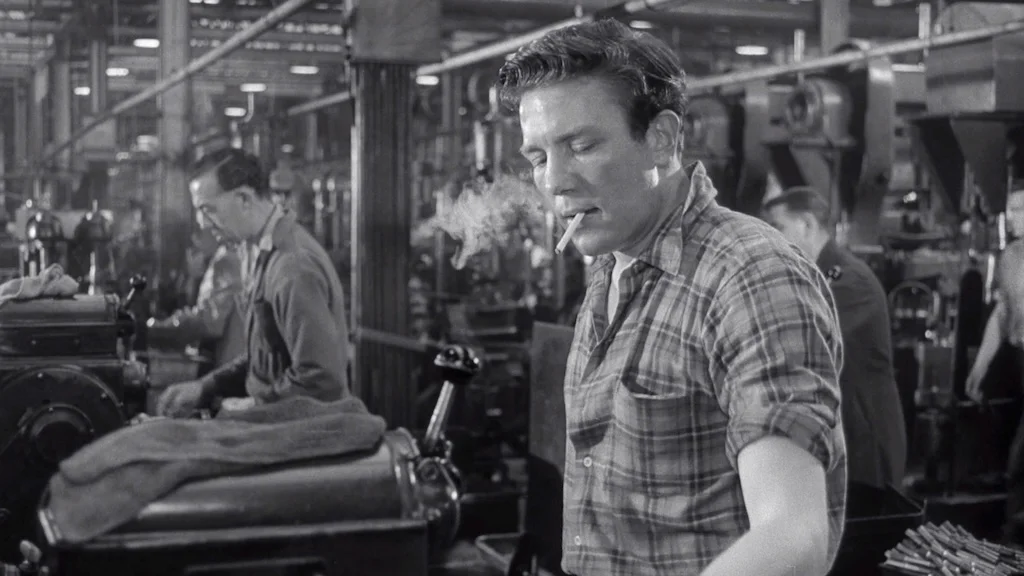
In Paul Schrader’s first attempt at direction Richard Pryor, Harvey Keitel, and Yaphet Kotto are Detroit autoworkers who rob their own union and discover that the system’s real product is their mutual destruction.
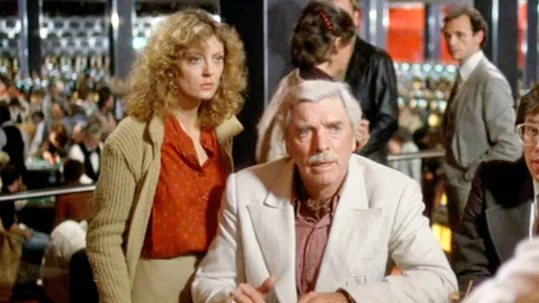
Atlantic City
Louis Malle 1980 | September 23 and 26
Opposite a stellar Susan Sarandon, latter-day Burt Lancaster plays a small-time numbers runner narrating himself into a mythology that the city has already demolished around him. Nominated for five Academy Awards, Louis Malle’s understated critque of prosperity perfectly captures the mood of the outgoing 1970s.
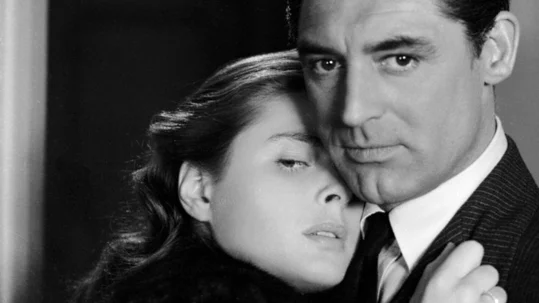
Notorious
Alfred Hitchcock 1946 | September 30 and October 3
Hitchcock. Grant. Bergman. Need I say more? I can’t believe we haven’t screened this one yet.
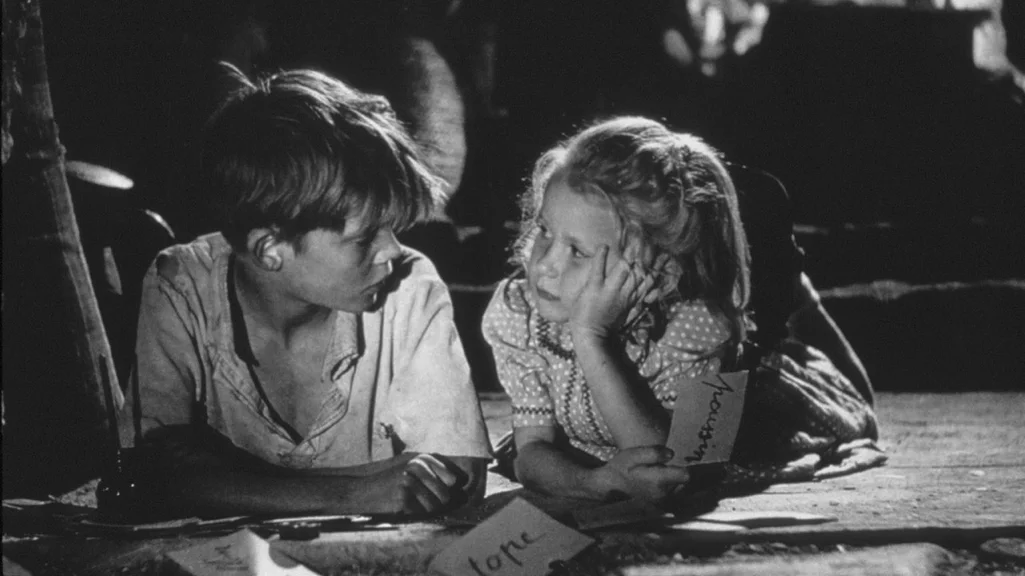
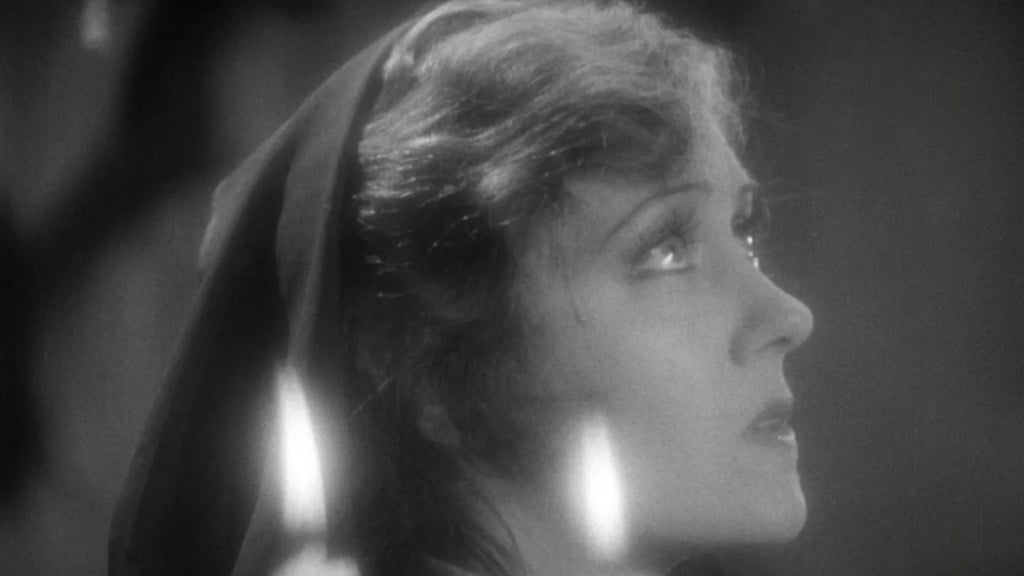
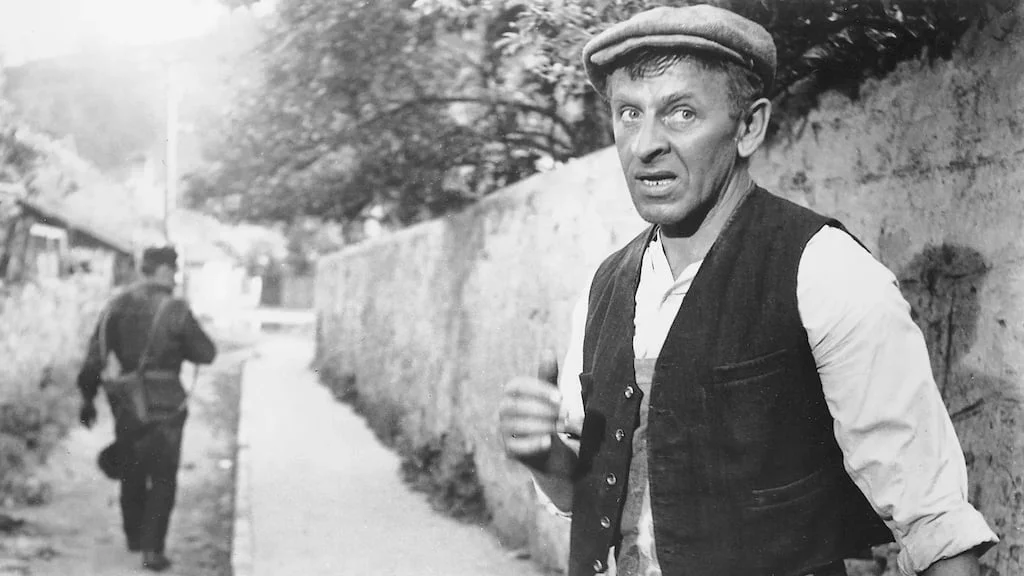
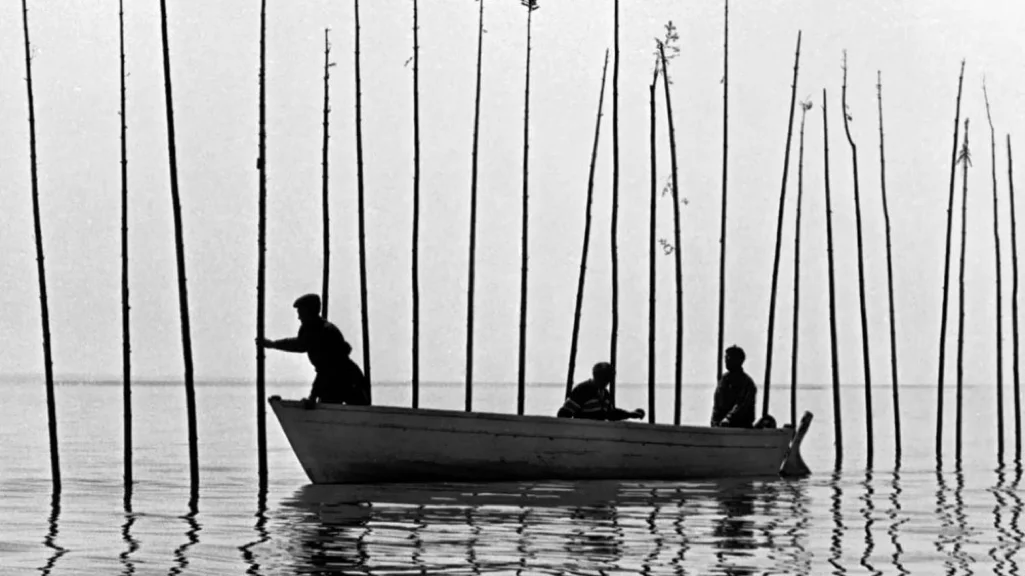
Jeux Interdits (Forbidden Games)
René Clément 1952 | October 6
In French with English subtitles
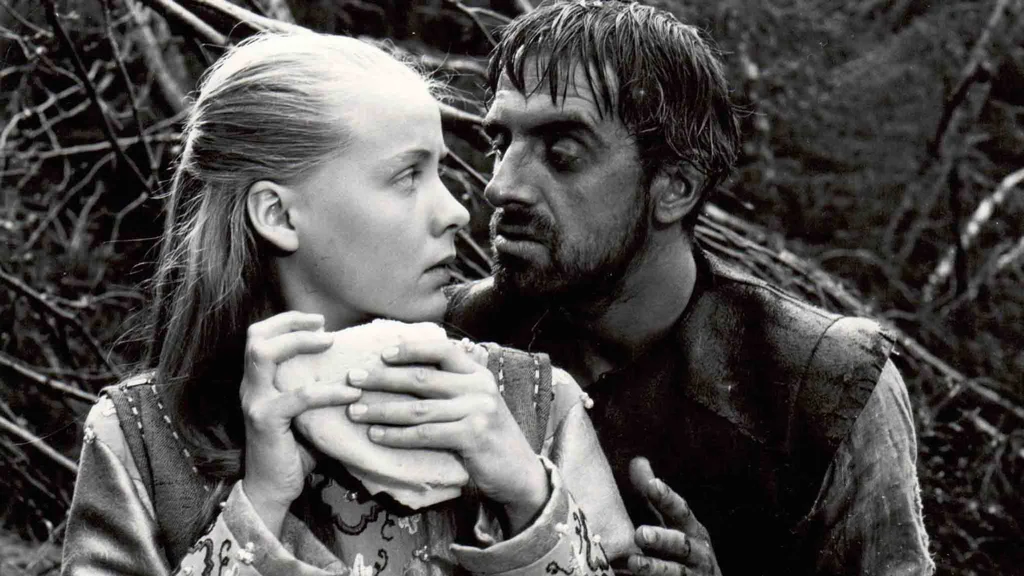
France declined to enter it at Cannes in 1952; it screened on the fringe and went on to take the Golden Lion at Venice and an Academy Award anyway. Critics at home called it a vicious and unfair picture of the French peasantry, and then five million French people bought tickets. Orphaned by a strafing run on the 1940 exodus, a five-year-old and a farm boy steal crosses from the churchyard to build a cemetery for dead animals — the only honest funeral rites anyone in this film performs. That guitar theme every beginner learns starts here.
This film is presented as part of a collaboration between Kinonik and Alliance Française du Maine.
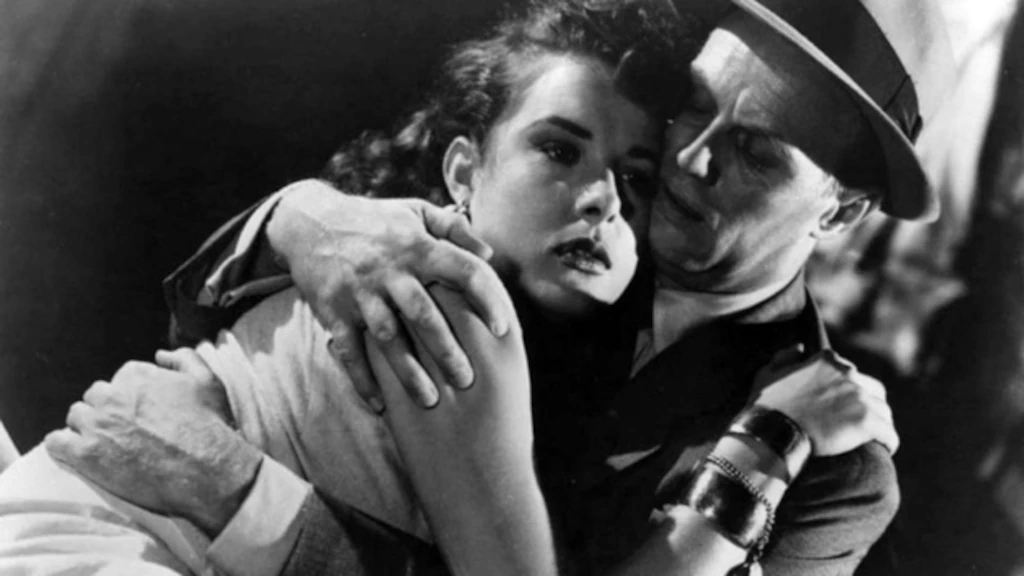
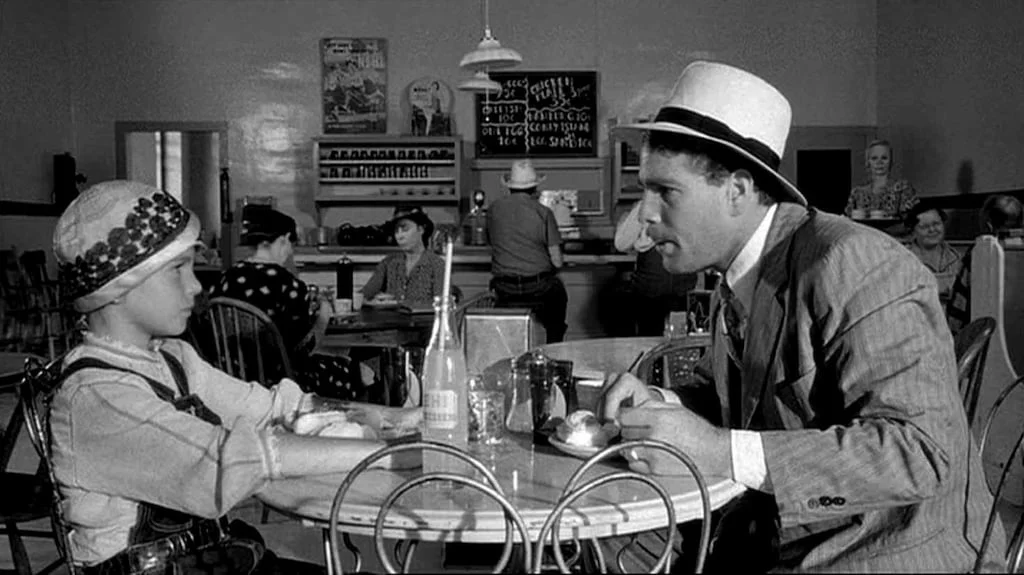
Pickup on South Street
Samuel Fuller 1953 | Oct 7 and 10
A pickpocket lifts a wallet on the subway and comes up holding microfilm Hoover and the Commies will both kill to get back. He could not care less about the Cold War — he just wants his cut. Samuel Fuller shoots the whole Red Scare as a grubby street hustle, and Thelma Ritter walks off with the picture as a worn-out stool pigeon saving up, tip by tip, for a decent burial. Tabloid pulp with a switchblade in its sock.
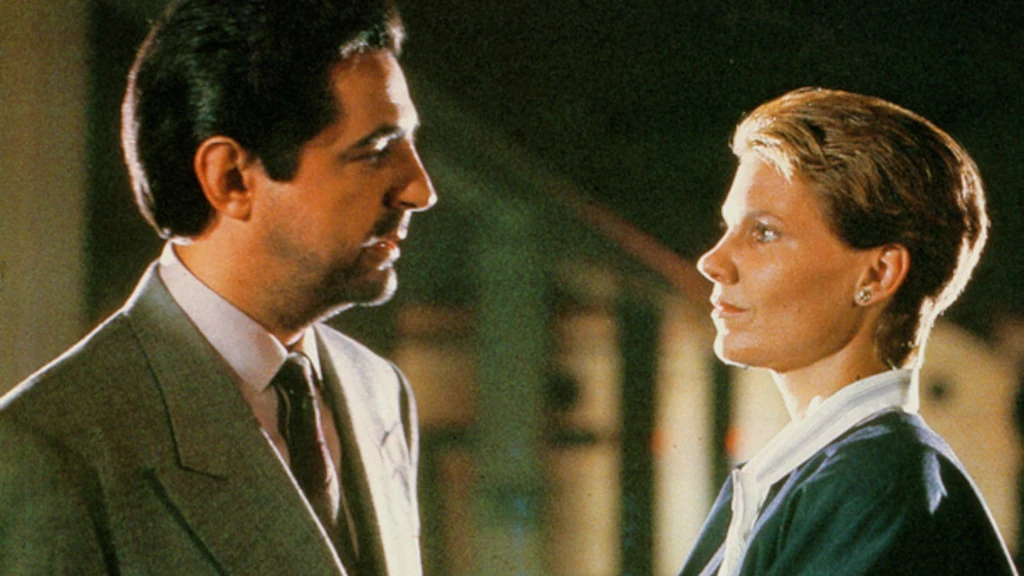
House of Games
David Mamet 1987 | Oct 14 and 17
A buttoned-up psychiatrist goes slumming in a poker room and gets played like a mark. Mamet’s first film as a director, and every line lands like it was set in lead type: it’s called a confidence game, the con man tells her, not because you give me your confidence, but because I give you mine. You won’t see the last turn coming, and you’ll want to run it again to catch how you missed it.
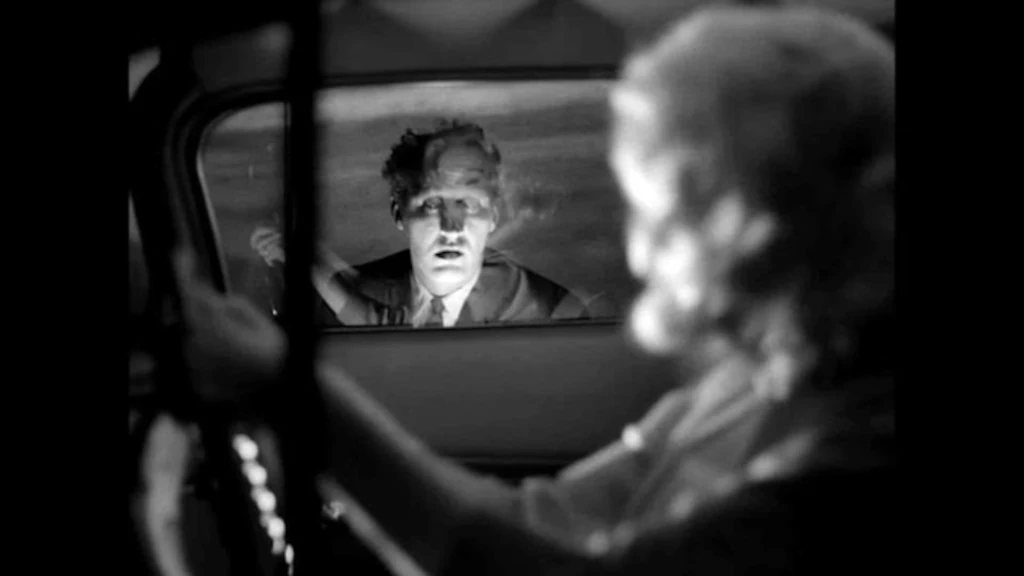
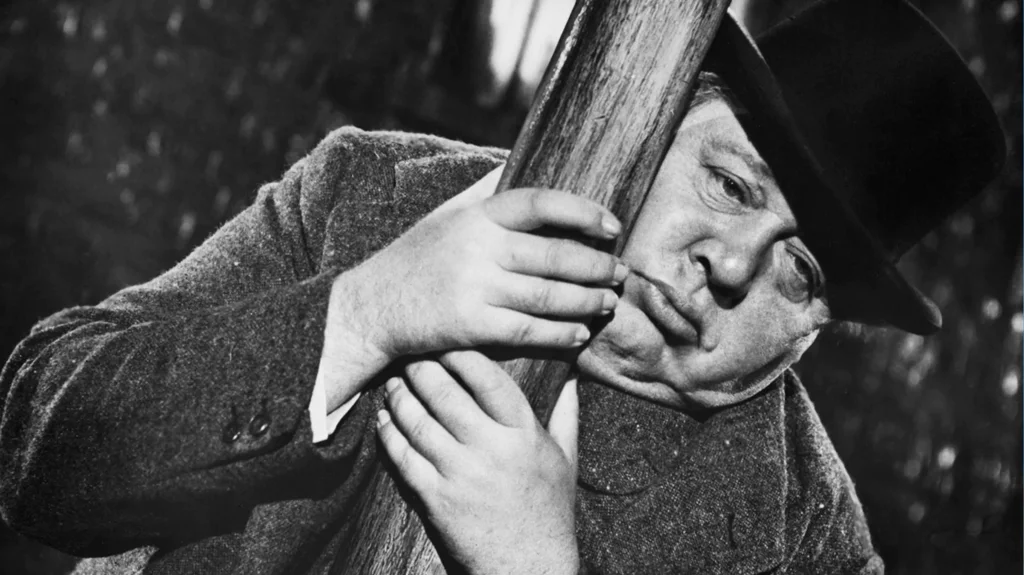
Carnival of Souls
Herk Harvey 1962 | Oct 21 and 24
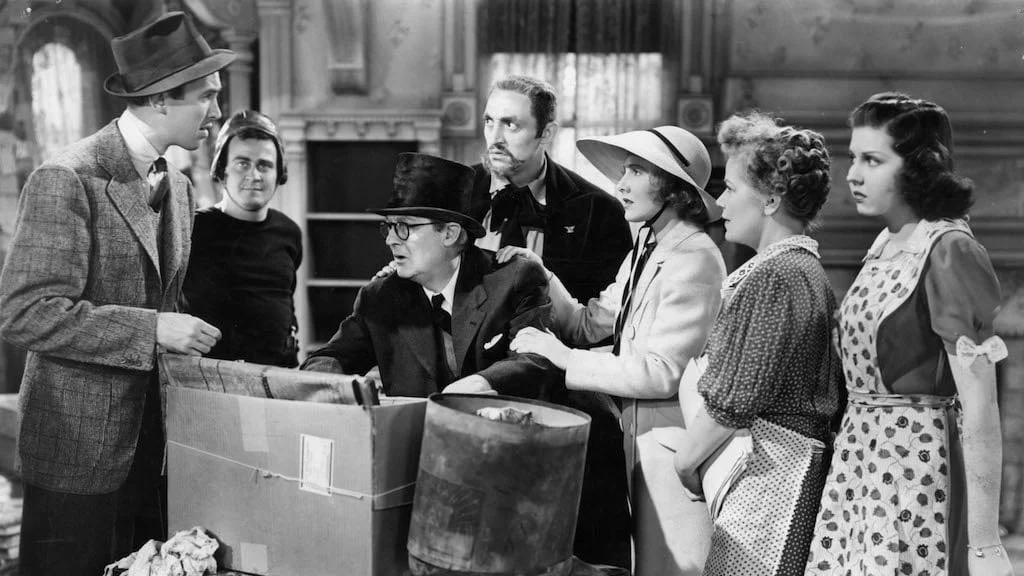
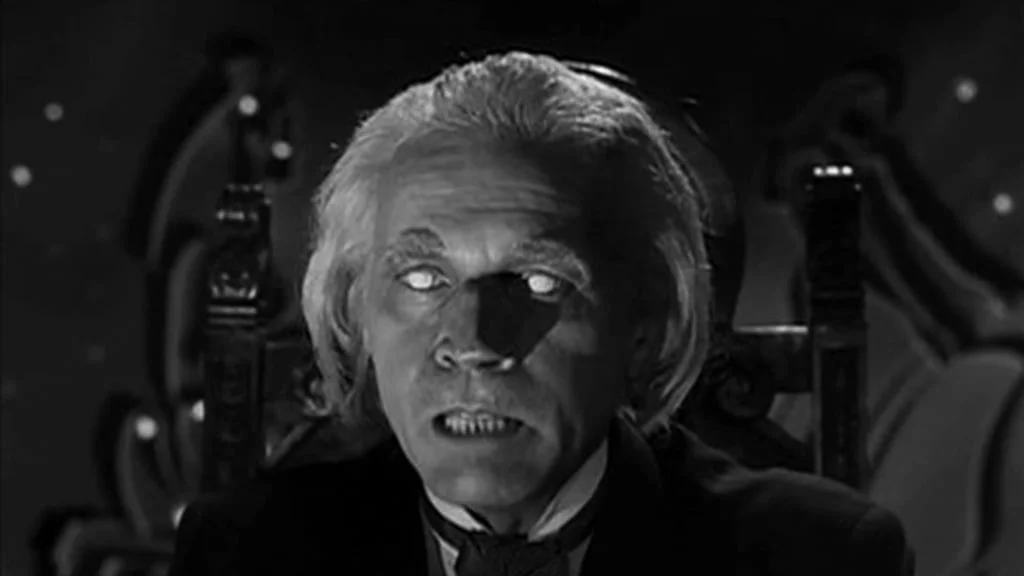
A church organist walks away from a car wreck and can’t shake the pale man who keeps appearing, or the abandoned lakeside pavilion reeling her toward it. Herk Harvey made exactly one feature — on pocket change, in his time off from directing industrial safety films — and somehow bottled pure dread. It got into Romero, it got into Lynch, and it’ll get into you.
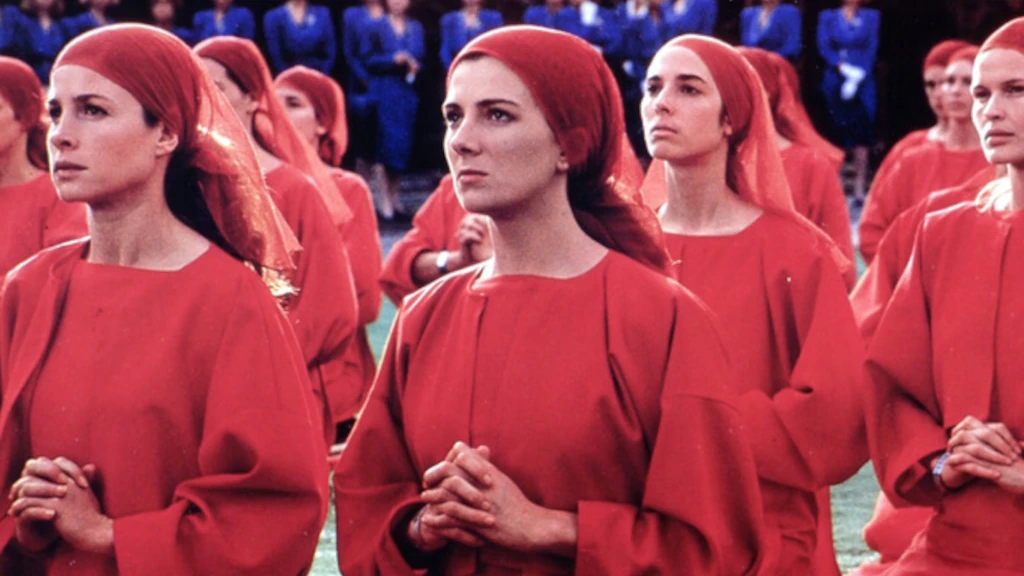
The Hand Maid’s Tale
Volker Schlöndorff 1990 | Oct 28 and 31
Atwood’s Gilead reached the screen a full generation before the streaming version, and almost nobody has seen it: Schlöndorff directing a Harold Pinter script, scored by Ryuichi Sakamoto, with Duvall and Dunaway running the theocracy and Natasha Richardson trying to outlive it. Pinter disowned the project as a mess, but there’s more to it than that.

Duck Soup and Zero for Conduct
Leo McCarey and Jean Vigo 1933 | Nov 4 and 7
A double feature from 1933, the funniest year to hate a government since 2026. The Marx Brothers hand Groucho the keys to Freedonia and he marches it into war over a personal insult — together they trash more than a ballroom, but offer no solution for nothing. In Zéro de conduite, Jean Vigo’s schoolboys revolt against their petty tyrants in a blizzard of pillow feathers; France banned it until 1945. Ninety-odd minutes of blowing raspberries while we suck on our Molotovs.
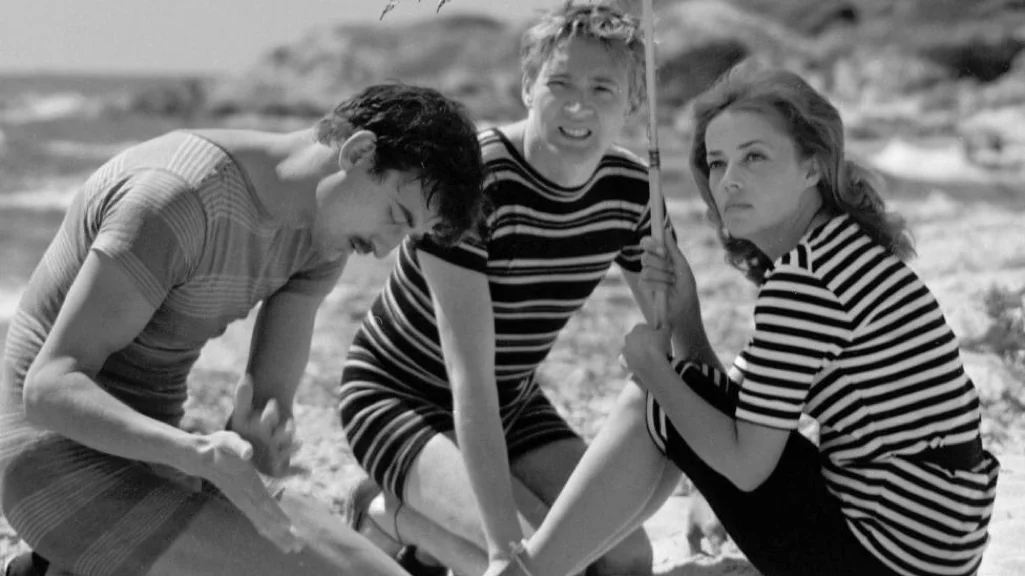
Jules et Jim
François Truffaut 1962 | November 10
In French with English subtitles
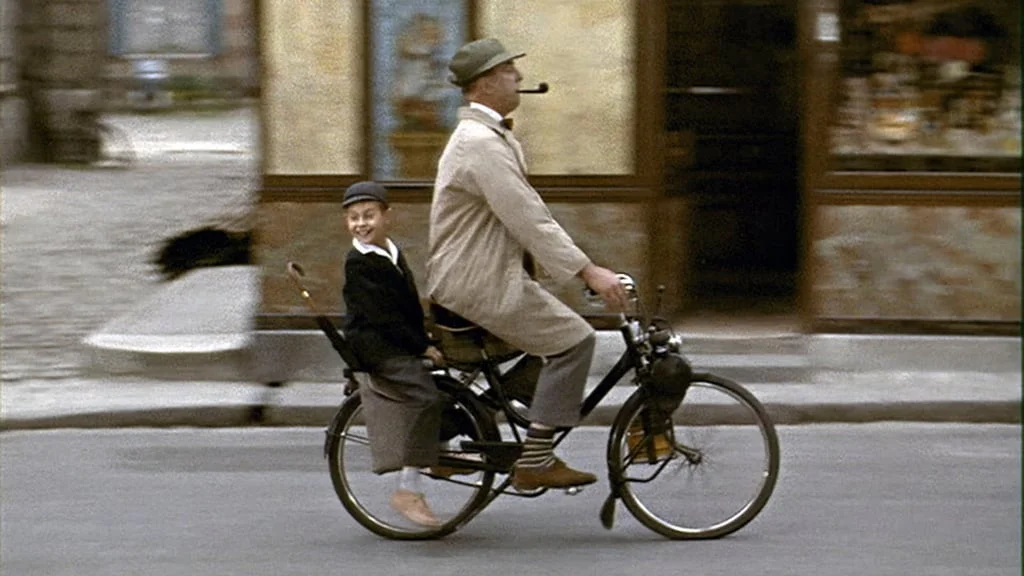
Truffaut found Henri-Pierre Roché’s first novel in a Paris bookshop in 1956. Roché was in his seventies and had waited a lifetime to publish it; he sent a thank-you note for Truffaut’s review, and a correspondence began. Truffaut mailed him a photograph of Jeanne Moreau. The old man wrote back eager to meet her, then died in 1959 — never meeting Catherine, never seeing the film. What he missed is the fastest picture ever made about three people inventing a way to live that has no name yet.
This film is presented as part of a collaboration between Kinonik and Alliance Française du Maine.
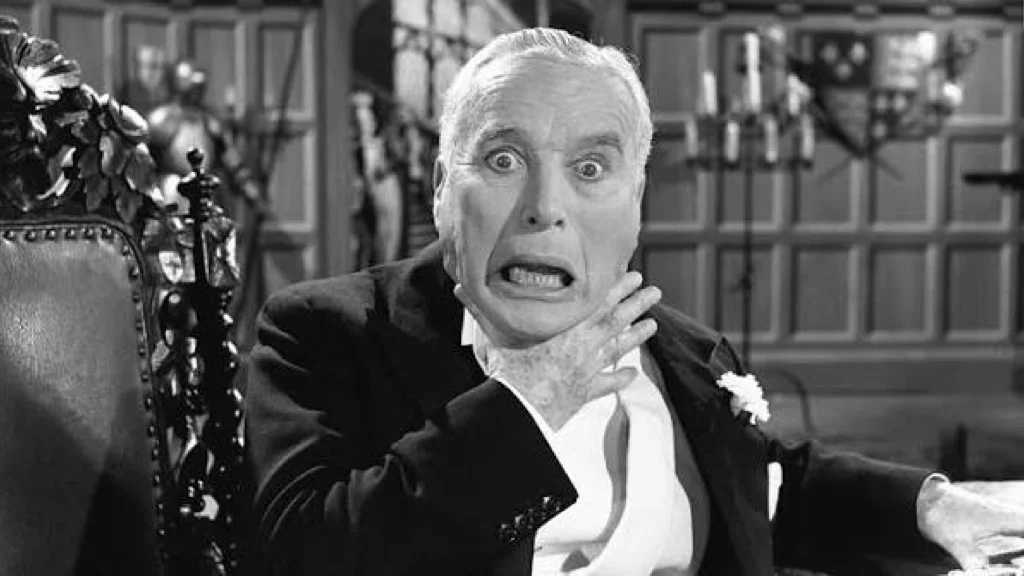
A King in New York
Charlie Chaplin 1957 | Nov 11 and 14
A deposed European king flees the revolution to Manhattan and gets swallowed whole by the world of Bernays and McCarthy — advertising, television, a face-lift, and finally a subpoena from the House Un-American Activities Committee. Chaplin made it in exile, furious at the country that had just run him out and revoked his re-entry permit; American audiences didn’t get to see it for the better part of two decades. Late, cranky, gleefully unfair, and one of the great screw-yous in movies.
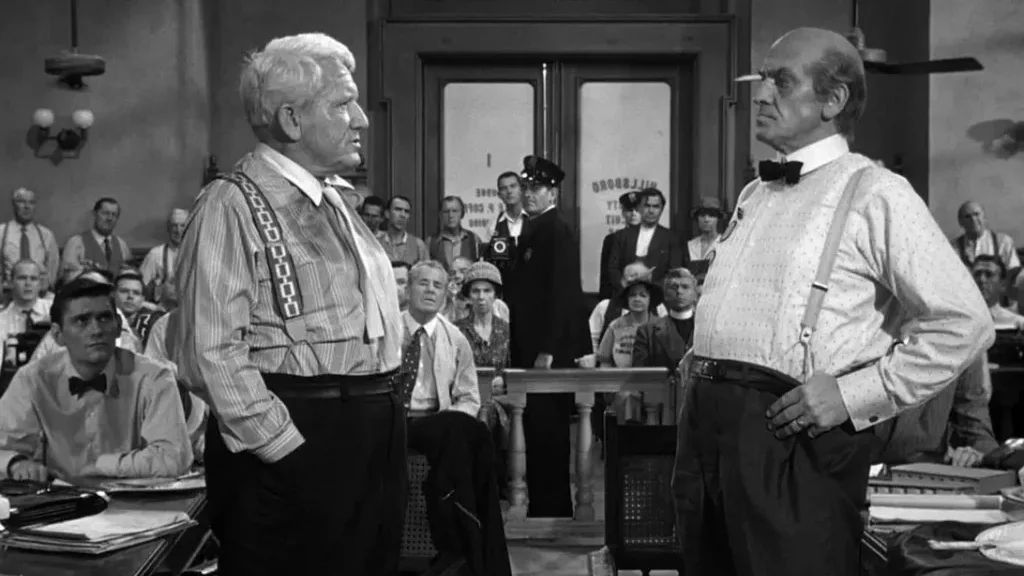
Inherit the Wind
Stanley Kramer 1960 | Nov 18 and 21
A schoolteacher gets thrown in jail for teaching a page of Darwin, and two of the loudest lawyers in America roll into town to fight it out in front of God and the newspapers. It’s the Scopes monkey trial on the surface — but it was written at the height of the blacklist, and everyone knew what it was really about. Spencer Tracy versus Fredric March, two giants chewing the same scenery to splinters, with Gene Kelly hanging back as the reporter who came to enjoy the show. Prestige courtroom drama that still has teeth.
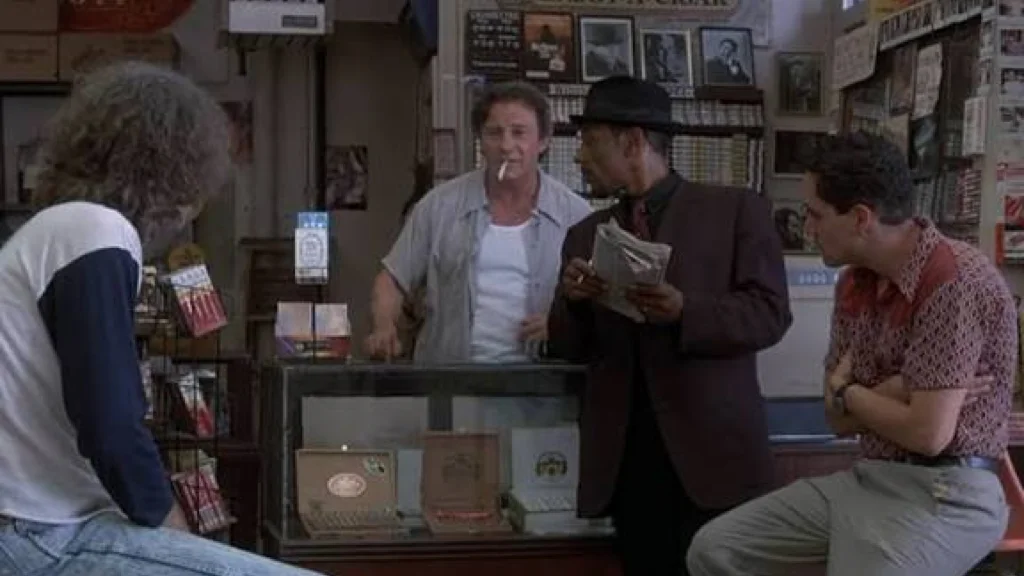
Smoke
Wayne Wang 1995 | Nov 25 and 28
The guy behind the counter at a Brooklyn cigar shop takes one photograph of the same corner every morning at eight — four thousand and counting. Paul Auster wrote it, Wayne Wang shot it, fans of Perfect Days will get it. Harvey Keitel, William Hurt and a flawless ensemble drift in and out of the shop like it’s the last warm room in the city. It closes on a Christmas story so good it ought to be illegal. The coziest heartbreak for all those with chosen families.
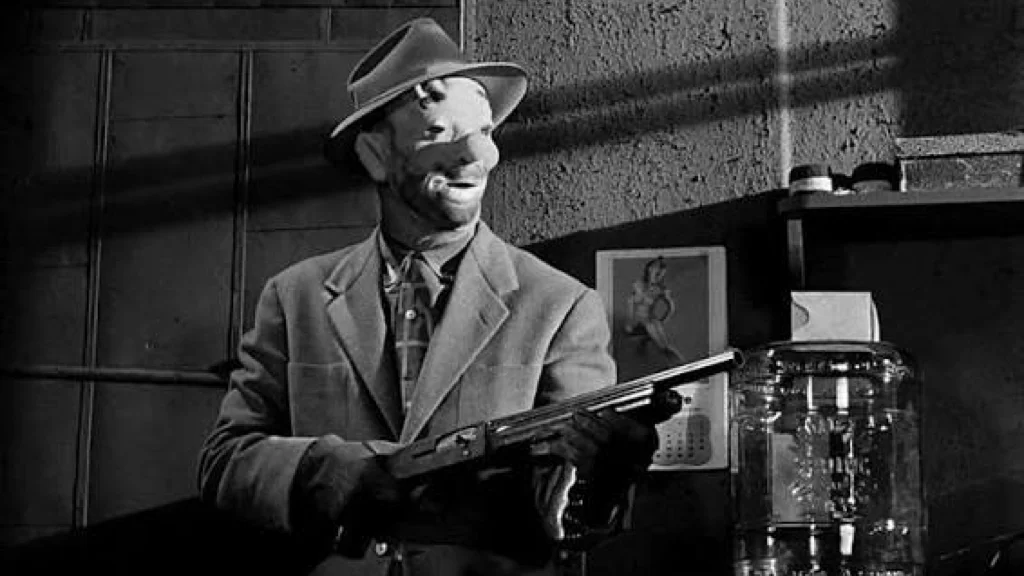
The Killing
Stanley Kubrick 1956 | Dec 2 and 5
A crew of small-timers plans the perfect racetrack robbery. Kubrick — barely twenty-seven and already showing off — sends it up dessert first: a bastard film noir, doubling back on the clock like a man who knows exactly where it goes wrong. A rubber clown mask, a shotgun in a flower box, a duffel of cash, and a little dog on the runway. The heist movie that taught every other heist movie how it’s done, in a merciless 84 minutes.
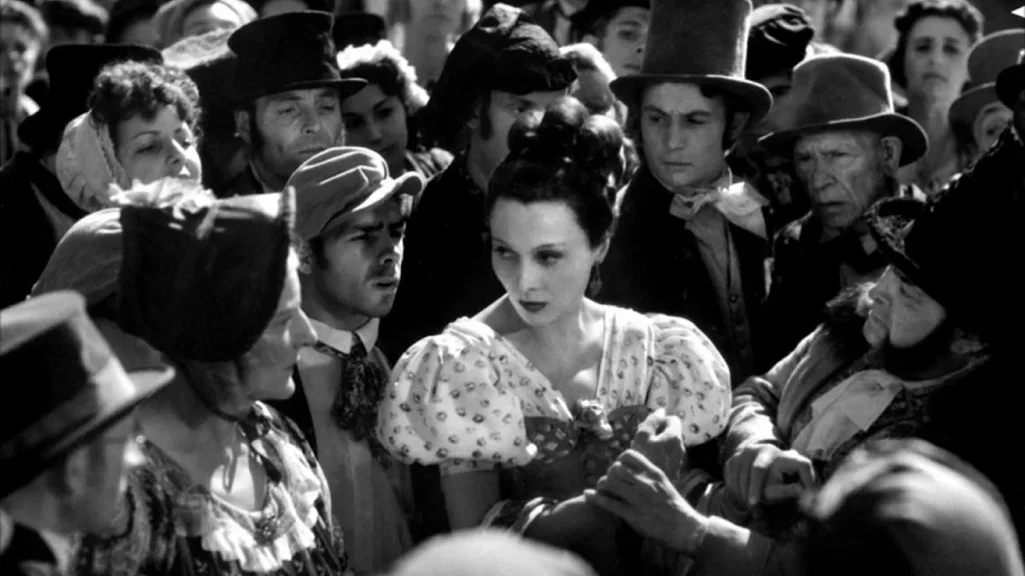
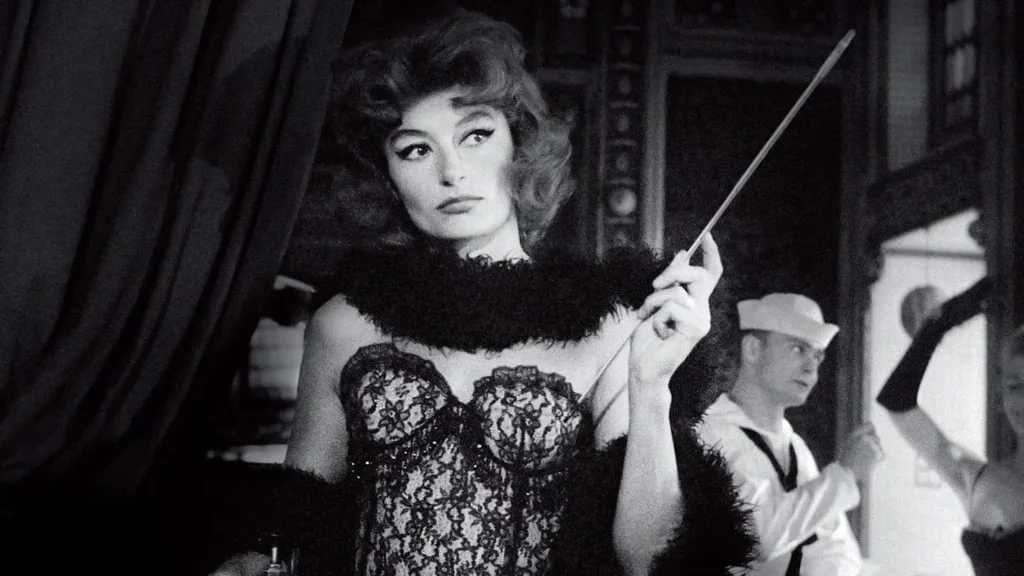
Les enfants du Paradis (Children of Paradise)
Marcel Carné 1945 | December 8
In French with English subtitles
Trauner designed the sets and Kosma wrote the score while hiding from the people who would have deported them, both uncredited. The actor playing Jéricho was condemned to death by the Resistance and fled to Germany mid-shoot. Arletty was under house arrest when it premiered. Out of that came three hours on the Boulevard du Crime, where a mime, an actor, a count and a murderer all love Garance and none of them can keep her. “Paradis” is the cheap seats up top. The film is named for the crowd, not the people on stage.
This film is presented as part of a collaboration between Kinonik and Alliance Française du Maine.
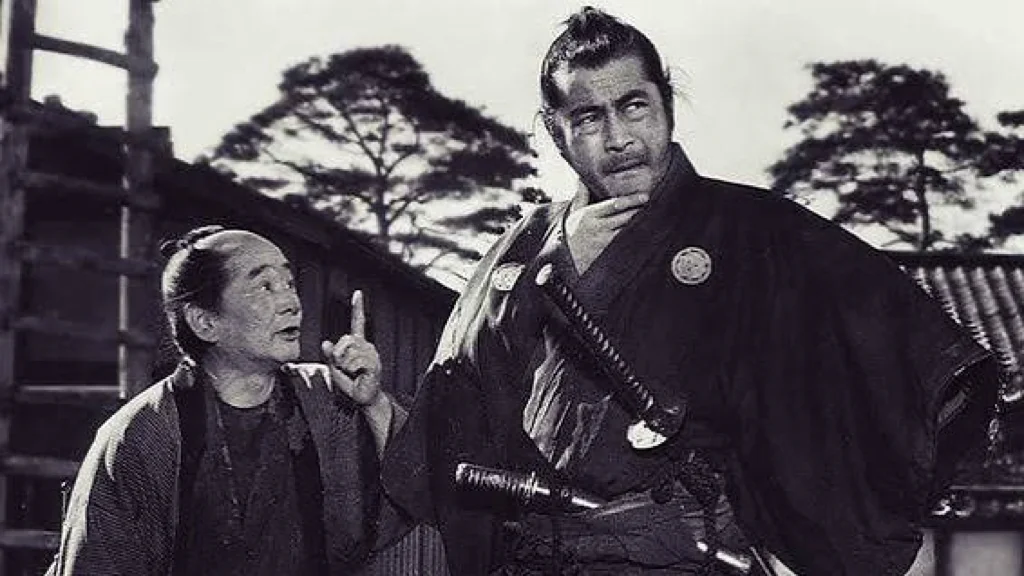
Yojimbo
Akira Kurosawa 1961 | Dec 9 and 12
Kurosawa turns his loathing for the Yakuza into a jidaigeki and accidentally fathers the spaghetti Western: Leone remade it so closely as A Fistful of Dollars that Kurosawa sued him and won. Toshiro Mifune shrugs into a dying town where two gangs run protection rackets over nothing, hires out to both, and facilitates their cancellation. The only growth industry is the coffin-maker’s. Still the coolest anyone has ever looked on a screen.
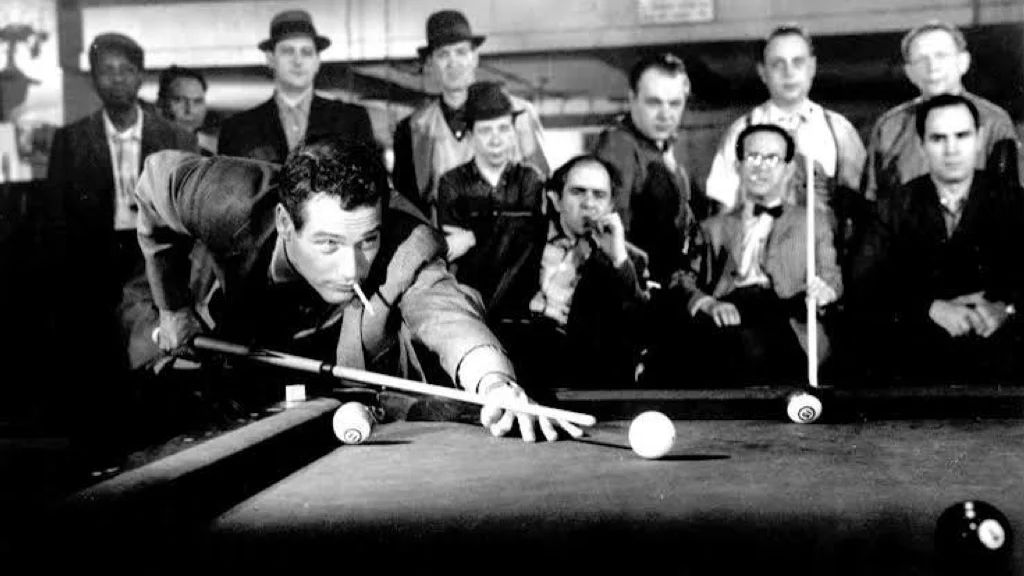
The Hustler
Robert Rossen 1961 | Dec 16 and 19
Fast Eddie Felson blows into town to beat Minnesota Fats, the best pool player alive, and doesn’t — which turns out to be the start of his troubles. Paul Newman does twenty-five hours at the table with a bottle of bourbon, a pair of thumbs with their own destiny, and Piper Laurie seeing straight through every word out of his mouth. It’s about the difference between having talent and having character, and how much the second one costs — shot in a smoke-hung black-and-white that makes losing look like the only honest thing a man can do.
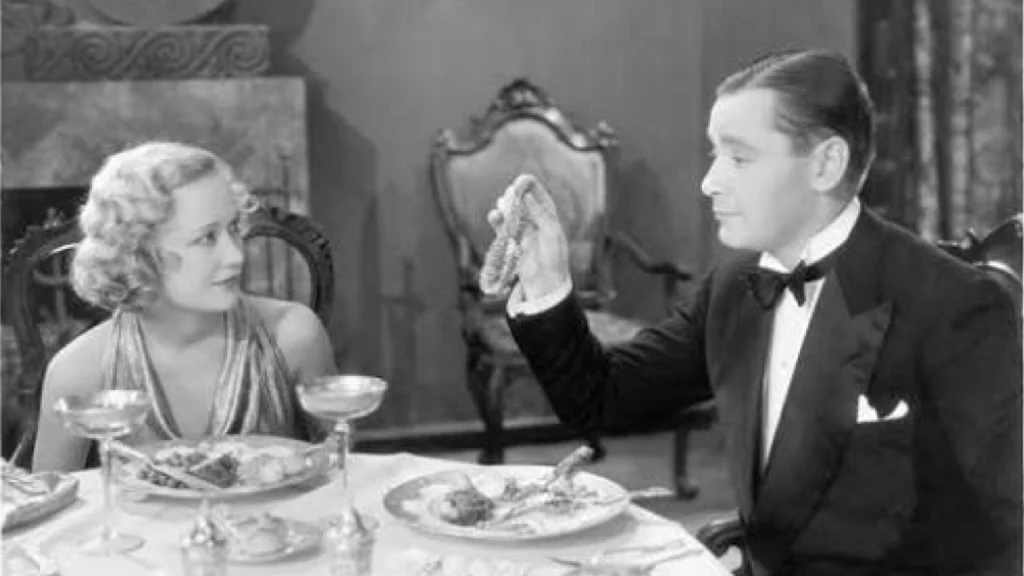
Trouble in Paradise
Ernst Lubitsch 1932 | Dec 23 and 26
A gentleman thief and a lady pickpocket fall in love the only way they know how: by robbing each other blind. Afterward they smoke a cigarette and set out to fleece a perfume heiress who has the nerve to be likable. Lubitsch before the Production Code turned up to spoil everyone’s fun: the wittiest, most elegant crime ever committed to film. Basically a gift, just before Christmas.
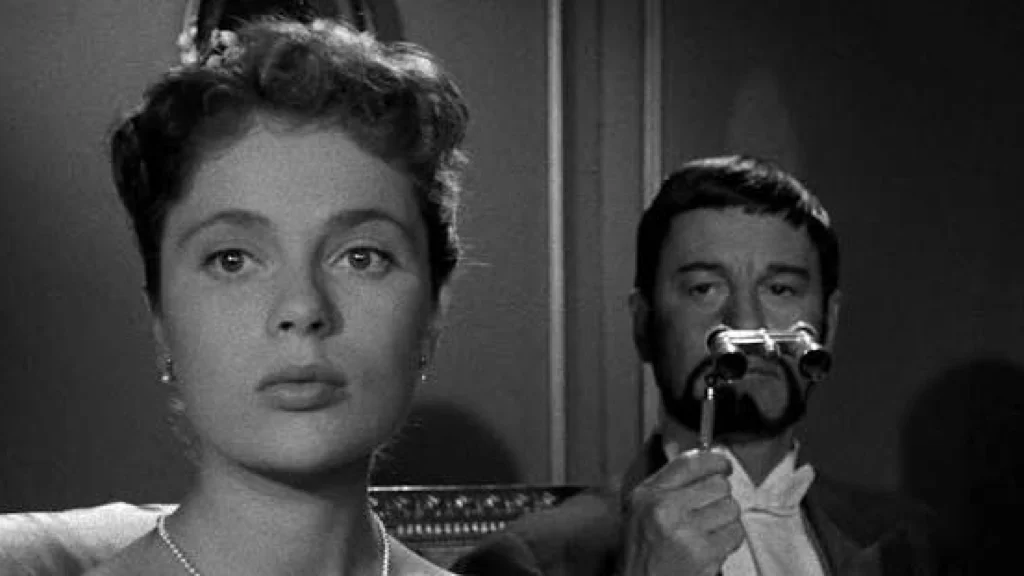
Smiles of a Summer Night
Ingmar Bergman 1955 | Dec 30 and Jan 2
Proof that Ingmar Bergman, of all people, could make you laugh: a country-house weekend where an aging lawyer, his virgin bride, a smoldering actress, a hotheaded soldier and a very knowing maid all pair off with precisely the wrong people, then sort themselves into the right ones by dawn. There’s a bed that folds out of the wall on cue and a duel fought with a pistol loaded with soot. It gave Sondheim A Little Night Music, and it’ll send you into the new year believing, against your better judgment, that everyone ends up where they belong.
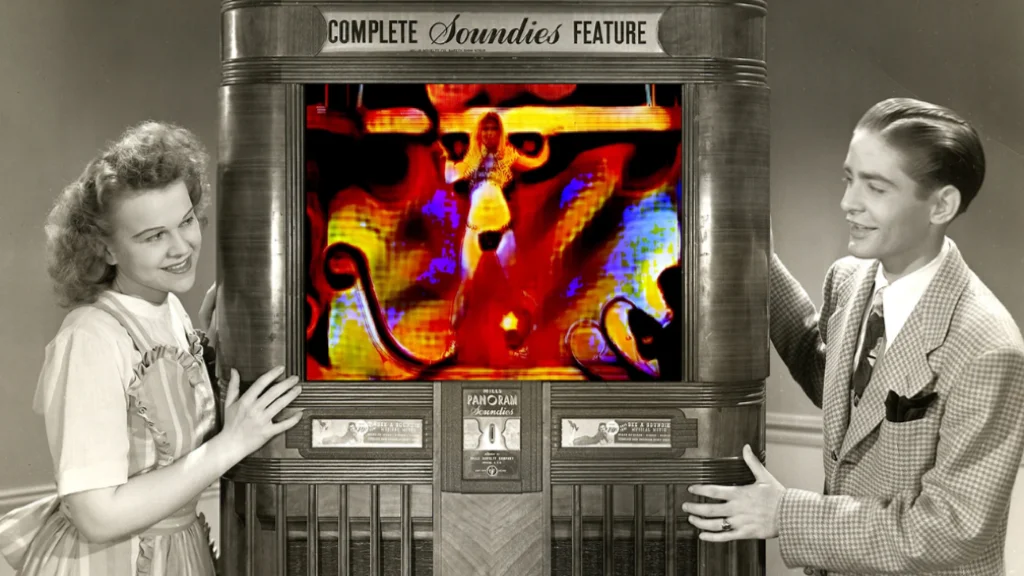
The Booth
Lorem ipsum dolor sit amet, consectetur adipiscing elit. Maecenas sed fringilla velit, eget pulvinar lacus. Nulla risus nunc, accumsan eget eros eu, finibus efficitur leo. Fusce eget vehicula est, ac auctor augue. Praesent tincidunt non nulla eu aliquet. Mauris libero nisl, pellentesque et consectetur vitae, pulvinar eget massa. Quisque non pharetra ex. Nam quis ipsum luctus, consectetur elit nec, interdum justo. Vivamus ac cursus purus. Pellentesque in justo mauris. Vivamus vitae imperdiet nisl. Ut eget leo sollicitudin, rutrum est id, sagittis turpis.
Our Mission
Kinonik is a nonprofit microcinema dedicated to the communal experience of watching films projected on analog formats. We preserve and present essential 16mm and 35mm film with the aim of fostering dialogue, education, and resistance against cultural homogenization. Kinonik serves as a space for collective meaning-making where cinema is not a commodity but a shared encounter with history, aesthetics, and radical imagination, in the spirit and tradition of cinema clubs of the past.